featured drop · escape
Play The Road Home: Granny Escape Online - Free Browser Game
Search a locked rural house for keys and tools while an elderly couple hunts every careless sound.
Recommended games
Similar energy to keep the flow going
Newest Games
Just added to the forest roster










The Road Home: Granny Escape guide
Overview, how to play, tips, and FAQs
1. Game Overview
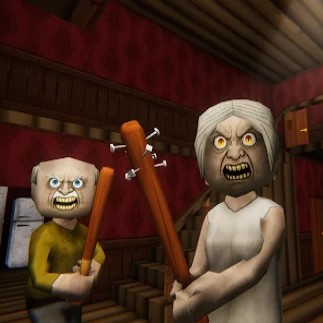
The Road Home: Granny Escape begins after a bus accident on a remote forest road. You wake inside an unfamiliar old house with locked doors, sealed windows, and an elderly couple determined to keep you from leaving. The premise combines rural isolation with household stealth: every room may hide a useful key or tool, but every search risks creating a sound that brings your pursuers closer.
The house functions as both setting and puzzle. Broken furniture can conceal objects, walls and floors may hide passages, and locked routes require items discovered elsewhere. Progress comes from connecting clues rather than forcing every door. At the same time, the enemies react to noise and movement, so exploration cannot be separated from survival. Footsteps are a warning to stop searching, break line of sight, and find a safe place to hide.
What makes the game compelling is its slow, sustained suspense. It relies on atmosphere, environmental details, and the pressure of being watched rather than constant jump scares. Players must remain patient enough to understand the house but brave enough to leave cover and act. Fans of Granny-style escape games will recognize the mixture of item puzzles and stalking enemies, while the forest-road setup gives the story its own unsettling beginning. Victory requires both logical thinking and controlled movement through the same dangerous rooms.
Key Details:
- Genre: First-Person Horror Escape / Stealth Puzzle
- Difficulty Level: Medium to Hard
- Average Play Time: 25-45 minutes per attempt
- Best For: Fans of Granny games, locked-house mysteries, item puzzles, and stealthy exploration
2. How to Play
Getting Started:
- Search the starting room quietly for an item, clue, or unlocked path.
- Learn the layout and identify doors that require specific keys or tools.
- Carry useful objects to the locations where they can open progress.
- Hide when footsteps approach and wait until the route is clear.
- Solve the house's connected puzzles and reach the final exit.
Basic Controls:
| Action | Control |
|---|---|
| Move / Look | Follow the keyboard and mouse prompts |
| Pick up / Use item | Use the displayed interaction control |
| Hide or leave cover | Interact with a valid hiding location |
Objective: Collect keys, tools, and clues, outsmart the elderly pursuers, and unlock a safe route out of the house.
3. Game Features & Highlights
- ✓ A remote old house filled with locked rooms and concealed passages
- ✓ Sound-sensitive enemies that react to careless movement
- ✓ Keys, tools, and objects used across connected escape puzzles
- ✓ Hiding places that create tense breaks between searches
- ✓ Atmospheric storytelling rooted in a forest-road accident
4. Tips & Strategies
Beginner Tips:
- Remember where each locked door is before carrying a key through the house.
- Close or avoid noisy interactions when footsteps are nearby.
- Use a central safe room as a reference point while learning the layout.
Advanced Strategies:
- Stage useful items near the route where they will eventually be needed.
- Lure a pursuer away from one wing before searching it.
- Combine clues into an action order so you cross dangerous corridors fewer times.
What to Watch Out For:
- Carrying the wrong item deep into the house can force a risky return trip.
- Hiding in the first visible location while being watched may reveal exactly where you went.
5. Game Elements Explained
Item Puzzles and House Progression: The escape route is divided into dependencies. One tool opens a container, the container provides a clue, and that clue may identify a key for a different floor. Randomly trying every object wastes time and increases exposure. When you find an item, inspect its shape or label and remember the obstacles that could accept it. If it is not immediately useful, place it somewhere recognizable rather than abandoning it in a dark corner. Keep a mental list of unresolved doors, panels, floorboards, and passageways. Each solved step should reduce that list. The house becomes easier when viewed as a network of locked relationships instead of a collection of rooms. Efficient players also stage objects near central routes so later puzzles require fewer crossings. This preparation matters because every extra journey is another chance for the pursuers to hear you. After each attempt, review which decision created the most danger and change that step first. This deliberate feedback loop makes the system easier to read and produces steadier progress than relying on speed, guesswork, or luck alone, especially when later stages add pressure.
Enemy Awareness, Noise, and Hiding: The elderly couple turns puzzle solving into a timing challenge. Movement and interactions can attract attention, while approaching footsteps indicate that the current task should be paused. Before manipulating an object, identify nearby cover and a second exit. If danger approaches, break visual contact first and hide only when the enemy cannot clearly follow your path. Remaining hidden forever does not advance the escape, so listen for footsteps to recede and then resume with a specific goal. You can also use sound strategically by drawing a pursuer toward one part of the house, then circling toward another. This is risky but effective when a necessary room is heavily watched. The key is composure: panic creates extra noise, poor item choices, and predictable hiding. Calm movement preserves both your route and the puzzle plan. A useful practice is to pause after failure and identify the earliest preventable mistake rather than only the final hit. Correcting that earlier decision preserves more options and makes the next attempt measurably safer from beginning to end.
6. Frequently Asked Questions
Q: How do I use a key or tool?
A: Carry it to the matching lock or object, move close, and use the interaction prompt when it appears.
Q: What should I do if the couple keeps finding me?
A: Make less noise, break line of sight before hiding, and wait for footsteps to move into another part of the house.
Q: Is the game compatible with mobile browsers?
A: Exact support depends on the build. Desktop controls are recommended for precise searching and stealth movement.
Q: Can I save my progress?
A: Persistent save behavior is not described. Treat the browser version as session-based unless it displays a checkpoint option.
Q: How do I unlock the final exit?
A: Solve the linked item puzzles, collect the required exit tools or keys, and use them at the correct locked route.
7. Related Games You Might Enjoy
If you like The Road Home: Granny Escape, you might also enjoy:
- Granny - The core stealth-escape experience featuring a dangerous house and sound-sensitive hunter.
- Granny 2 - A larger follow-up with more threats and connected escape puzzles.
- Granny House Escape - Another browser-friendly house escape centered on hiding, keys, and careful routes.
Sort byNewest
Add a Comment
Fan-made hub; not affiliated with the official owners of 99 Nights.