featured drop · horror
Play Iron Lung Online - Free Browser Game
Navigate a tiny submarine through an ocean of blood using coordinates, sensors, and unsettling photographs.
Recommended games
Similar energy to keep the flow going
Newest Games
Just added to the forest roster







Iron Lung guide
Overview, how to play, tips, and FAQs
1. Game Overview
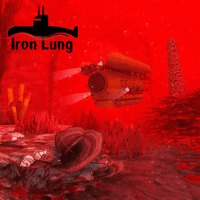
Iron Lung is a minimalist psychological-horror game set inside a tiny submarine descending through an ocean of blood. The vessel has no normal forward window, the surrounding darkness is total, and the only direct glimpse outside comes from grainy black-and-white photographs taken by an external camera. You are given target coordinates and a partial map, then asked to navigate to each location and document what waits there.
The premise turns instruments into your entire world. X and Y coordinates show position, heading determines movement, and distance readings warn when the submarine is approaching a wall. Progress requires patience because the map is incomplete and even a small navigational error can push the hull off course. Taking a photograph provides information, but it also creates the game's most uncomfortable moments: every developed image may reveal that the darkness is not empty.
Iron Lung stands out by doing very little and making every action matter. There is no large inventory or constant combat. Instead, mechanical noises, limited visibility, and precise navigation encourage imagination to fill the gaps. It is best for players who enjoy slow-burn horror, oppressive spaces, and solving a route through instruments rather than objective arrows. A focused session can feel more intense than a much larger game because the submarine never lets you escape its walls.
Key Details:
- Genre: Psychological Horror / Submarine Navigation
- Difficulty Level: Medium
- Average Play Time: 30-60 minutes
- Best For: Fans of claustrophobic horror, instrument navigation, environmental storytelling, and slow tension
2. How to Play
Getting Started:
- Study the map and note the first marked coordinate.
- Set the submarine's heading and move in small, controlled increments.
- Compare the X/Y display with the target while watching the distance sensor.
- Stop near the marked location and align the vessel carefully.
- Take the required photograph, then repeat for the remaining coordinates.
Basic Controls:
| Action | Control |
|---|---|
| Set position and heading | Use the submarine's instrument controls |
| Monitor collision distance | Read the proximity display |
| Take photograph | Use the camera control at a target |
Objective: Navigate the submarine to every marked coordinate, photograph the required locations, and complete the mission without losing the vessel in the unseen terrain.
3. Game Features & Highlights
- ✓ A submarine with no forward view, forcing complete reliance on instruments
- ✓ Coordinate-based navigation across an incomplete map
- ✓ Black-and-white photographs that reveal the outside world one frame at a time
- ✓ Dense mechanical audio and a deliberately claustrophobic interior
- ✓ Minimal systems used to create sustained psychological tension
4. Tips & Strategies
Beginner Tips:
- Make short movements and recheck coordinates after every adjustment.
- Compare your heading with the map before committing to a long route.
- Use sound and distance readings as seriously as the position display.
Advanced Strategies:
- Plan a sequence between nearby objectives to reduce unnecessary turning.
- Approach tight targets at a shallow angle and lower speed.
- Record the coordinates already visited so a wrong turn is easier to diagnose.
What to Watch Out For:
- Long blind movements can place the hull against terrain before you can correct.
- Focusing only on X/Y values while ignoring heading creates confusing drift.
5. Game Elements Explained
Coordinate Navigation and Mapping: The submarine moves through a world you cannot see directly, so the X/Y display and map must be treated as complementary tools. Coordinates tell you where the vessel is, while the map suggests what may lie between that position and the next target. Before moving, compare both axes and choose a heading that reduces the larger difference without steering through known terrain. Travel in measured steps, checking position often enough to catch drift early. Near an objective, reduce movement size and correct one variable at a time; large diagonal adjustments can overshoot a narrow location. Because the map is incomplete, your actual route becomes additional knowledge. Remember difficult turns, tight passages, and safe approach angles. This process transforms apparent blindness into controlled navigation. The challenge is not fast input but maintaining an accurate mental relationship between heading, distance, and the two coordinate values throughout the mission. After each attempt, review which decision created the most danger and change that step first. This deliberate feedback loop makes the system easier to read and produces steadier progress than relying on speed, guesswork, or luck alone, especially when later stages add pressure.
Camera, Sensors, and Unseen Threats: The camera is your only direct visual connection to the ocean, yet it does not provide a live view. Each photograph is a delayed, monochrome snapshot, useful for confirming an objective but incapable of guiding every movement. That limitation makes sensors essential. Distance readings warn about solid terrain, while mechanical sounds can suggest changes that instruments do not explain. Take photographs only when aligned with a marked location, and study the result before moving again. A strange image may be narrative evidence as well as a warning that the environment is changing. Resist the urge to rush after an unsettling photograph; recheck heading and position first. The game deliberately encourages your imagination to interpret incomplete data. Staying procedural—read, move, stop, photograph—does not eliminate fear, but it prevents fear from turning into navigational mistakes. A useful practice is to pause after failure and identify the earliest preventable mistake rather than only the final hit. Correcting that earlier decision preserves more options and makes the next attempt measurably safer from beginning to end.
6. Frequently Asked Questions
Q: How do I reach a marked coordinate?
A: Compare your current X/Y values with the target, set the appropriate heading, and move in small steps while checking the display.
Q: What should I do if I am about to collide?
A: Stop, reverse slightly if possible, and change heading before continuing at a slower pace.
Q: Is the game compatible with mobile browsers?
A: Precise instrument interaction is usually easier on desktop. Mobile behavior depends on the embedded build.
Q: Can I save my progress?
A: Save support is not confirmed for this browser version. Plan to complete a run in one session unless a save option is visible.
Q: How do I unlock the next photograph target?
A: Follow the marked coordinates on the mission map; targets are completed by reaching the correct position and using the camera.
7. Related Games You Might Enjoy
If you like Iron Lung, you might also enjoy:
- CAVING Game - Another compact experience where careful input and confined-space navigation define progress.
- Seeing Things - A psychological observation game built around noticing disturbing details.
- Backrooms - It offers similarly oppressive exploration with limited certainty about what is nearby.
Sort byNewest
Add a Comment
Fan-made hub; not affiliated with the official owners of 99 Nights.